Showing posts with label Reform. Show all posts

Monday, 30 December 2024

South Africa: Fairfield, Henry Hoyle, John Bagshaw, Reform, Active, Queen of the Nations, Courland, Hartfield & Malmesbury shipwrecks

SAHRA Maritime and Underwater Cultural Heritage

South West Seal wreck in Namibia

September 9:

“This day in our shipwreck and aeronautical wreck history”

1842: A strong north-westerly gale parted the cables of and resulted in the wrecking of four vessels in Table Bay in the Western Cape:

• Fairfield, a wooden sailing barque wrecked near the Hospital Lines at Woodstock Beach. It now lies beneath reclaimed laid.

• Henry Hoyle, a wooden sailing brig became stranded near the Hospital Lines at Woodstock Beach. It was condemned after refloating attempts failed.

• John Bagshaw, a wooden sailing barque wrecked on the South Wharf.

• Reform, a wooden sailing brig wrecked in front of the Imhoff Battery on Woodstock Beach. 

1845: Active, this wooden sailing schooner wrecked in Plettenberg Bay in the Western Cape. It was en route from Knysna, bound for Table Bay, when it had to enter Plettenberg Bay on the 6th of September, leaking badly. On the morning of this day, its master had to run it ashore as the leak became completely unmanageable, and it wrecked during this event.

1889: Queen of the Nations, this wooden sailing barque was found abandoned on the 6th of June and towed to East London in the Eastern Cape by the Clan Alpine. After its 90 tons of cargo were removed, it was driven ashore near Bats Cave on this day and became a wreck. Another report suggests that instead its tow cable parted, and it was driven ashore and wrecked.

1891: Courland, this iron steam-powered ship wrecked east of Durban in KwaZulu-Natal. Very little is known about this vessel.

1895: Hartfield, this iron sailing barque caught alight and was abandoned over 400 km west of Table Bay in the Western Cape. Its crew was initially thought to have been missing but were later brought in having been picked up by the Luna. The vessel is presumed to have foundered after burning down. 

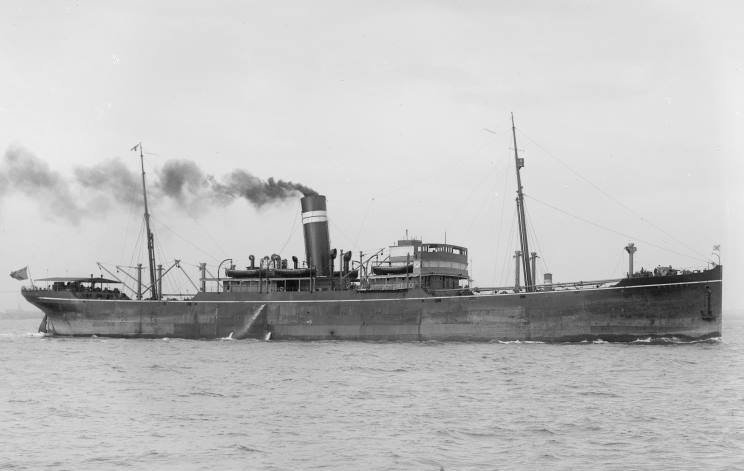
1930: Malmesbury, this steel steam-powered freighter wrecked in heavy fog on Jacobs Reef, south of Cape Columbine on the West Coast in the Western Cape. It was on its maiden voyage, bound for Cape Town with a cargo of maize when it struck the reef and flooded. Its crew were picked up by the tug T S McEwan.

Purchase photo/4K video: portfolio1 portfolio2
Aerial photo/video service/inquiries: info@traveltonamibia.com
Telegram: ExploringNamibia

Tuesday, 24 September 2024

South Africa: Reform, ST, Nivonia & Mundra shipwrecks

SAHRA Maritime and Underwater Cultural Heritage

July 6:

“This day in our shipwreck and aeronautical wreck history”

1833: Reform, this wooden cutter was driven ashore and wrecked on Dassen Island in the Western Cape.

1889: ST, this iron British schooner (possibly a 3-masted barquentine) wrecked in Port Nolloth in the Northern Cape after having struck a rock in the channel leading to the jetty. Although some sources suggest that the wreck lies further south than Port Nolloth.

The Nivonia (1935) being claimed by the sea after wrecking

1935: Nivonia, this British/South African whaler wrecked after stranding on Pumela Rocks, at the mouth of the Ntshambili River in KwaZulu-Natal, at night in rainy and misty conditions.

What remains of the Nivonia (1935) today above the water - the winch apparatus for its harpoon gun (on the right) as well as the bow section (on the left)

Other sources list the wrecking as July 2nd 1936. Today some of its remains are visible on the rocks, slowly being reclaimed by the sea with its boiler just beyond, in deeper water. The Port Shepstone Maritime Museum has an exhibition on the Nivonia.

The SS Mundra (1942) sunder its own steam, date and location unknown

1942: Mundra, this British steam-powered ship was torpedoed and sunk by the Japanese submarine I-18 about 40 km east of Richards Bay in KwaZulu-Natal. It had on board survivors from the ship de Weert, which was sunk by the I-18 nine days earlier near modern-day Maputo, survivors from the Goviken, which was sunk by I-20 seven days earlier as well as survivors from the Eknaren which was sunk by I-16 five days earlier. In total, 94 lives were lost to this attack with 155 lives surviving it.


Remains of the Nivonia (1935)

1993: A Transkei Defence Force Casa 212 Aviocar 200 (registration no. TDF-01) crashed about 10 km from Umtata Airport in the Eastern Cape during a take-off for a training flight, resulting in the death of both pilots.

Purchase photo/4K video: portfolio1 portfolio2
Aerial photo/video service/inquiries: info@traveltonamibia.com
Telegram: ExploringNamibia