Showing posts with label Arniston. Show all posts

Wednesday, 15 January 2025

South Africa: Le Victor, Martha, Suffolk & Flatdog shipwrecks

SAHRA Maritime and Underwater Cultural Heritage

Unknown wreck in Walvis Bay, Namibia

September 24:

“This day in our shipwreck and aeronautical wreck history”

1782: Le Victor, this wooden sailing corvette wrecked in a north-westerly gale at the Salt River mouth in Table Bay in the Western Cape. Records indicate that ‘nearly’ all aboard were saved, but the exact number of casualties is unknown. The wreck now lies beneath reclaimed land.

1826: Martha, this wooden sailing brig wrecked on the eponymous Martha Reef at Martha Point northeast of Arniston/Waenhuiskrans in the Western Cape.

1900: Suffolk, this four-masted steel steam-powered ship wrecked west of Cape St Francis near Tsitsikamma Point in the Eastern Cape after striking a reef and its holds flooding. A smaller steamer, the Lake Erie, was passing nearby and rescued all that were on board. However, the 900 horses that were being transported were left on board the ship, which disappeared below the waves later in the day. Wreckage washed up as far west as the Great Brak River and later investigations by the authorities found that many of the farm houses had used timber from the wreck that had washed up as there was a Troop letter stamped into the timber used for the horse stalls which made identification quite easy.

1996: Flatdog, this South African yacht collided with a fishing vessel in Algoa Bay in the Eastern Cape and whilst being towed back for repairs, it foundered.

2009: A SA Airlink British Aerospace Jetstream 41 (registration no. ZS-NRM) suffered an engine failure shortly after taking from Durban International Airport in KwaZulu-Natal and crash landed about 1.6 km from its takeoff runway in the Merebank residential area, skidding through an electrical pole, over a road, and eventually coming to rest against a concrete palisade. The two pilots and one flight attendant on board were seriously injured, with the one pilot succumbing to his injuries on the 7th of October. The wing of the airplane also clipped a member of the public who was seriously injured.

Purchase photo/4K video: portfolio1 portfolio2
Aerial photo/video service/inquiries: info@traveltonamibia.com
Telegram: ExploringNamibia

Thursday, 26 December 2024

South Africa: Mulgrave Castle, Alert, Prince Rupert, Sparfel, Niagara & Abeona shipwrecks

SAHRA Maritime and Underwater Cultural Heritage

Abandoned Ulan near Walvis Bay, Namibia

September 4:

“This day in our shipwreck and aeronautical wreck history”

1825: Mulgrave Castle, this wooden sailing vessel wrecked near the Green Point Lighthouse in Table Bay in the Western Cape. It entered the bay in hazy, but otherwise fine weather and attempts to refloat it were unsuccessful.

1840: Alert, this wooden sailing schooner wrecked after its cables parted in a south easterly gale in Port Elizabeth in the Eastern Cape.

1841: Prince Rupert, this wooden sailing barque wrecked after a sudden change in the current resulted in it swinging onto the rocks at Mouille Point in Table Bay in the Western Cape. Of the approximately 160 that were on board, only one life was lost, but four rescuers also lost their lives. The Bucephalus was anchored nearby and was one of the first to render assistance. On the fourth voyage between the vessels, to look for any more people that were on board, the boat that the rescuers were using was swamped by a wave. Five of the rescuers perished, one of whom was a passenger returning to the Prince Rupert.

1869: Sparfel, this wooden sailing schooner wrecked on Struispunt, just south of Arniston/Waenhuiskrans in the Western Cape. Immediately after striking the rocks, it broke apart. Although the exact number of those that were on board is not known, all hands were lost. For the next few weeks its cargo of hides washed ashore. 

1872: Niagara, this sailing vessel wrecked at the Slang River mouth, at Oyster Bay, in the Eastern Cape. 

1900: Abeona, this iron sailing vessel wrecked on Thunderbolt Reef, off Cape Recife in the Eastern Cape. After getting stuck on the reef in a sinking condition, its master and crew of 19 abandoned ship and landed at the North Jetty within three hours. The tug James Searle II found it the following day on its side and breaking up.

James Searle II tug, date unknown

Some salvage was carried out, but by the next day it had completely broken up. The wreck site was known for many years as the ‘Lead Wreck’ by local divers. This changed in 1978, when Mike Klee, David Allen and Gerry van Niekerk positively identified it. Amongst the wreckage they found a brass winch (or a capstan cover) which was inscribed with “Abeona Glasgow 1867”.

Purchase photo/4K video: portfolio1 portfolio2
Aerial photo/video service/inquiries: info@traveltonamibia.com
Telegram: ExploringNamibia

Tuesday, 19 November 2024

South Africa: Bodiam Castle, Wanderer, Henry Douse, Kosmopolit, Penguin, Uni 12, Swazi Coast & Oranjeland shipwrecks

SAHRA Maritime and Underwater Cultural Heritage

Kolmanskop wreck in Namibia

August 13:

“This day in our shipwreck and aeronautical wreck history” 

1852: Bodiam Castle, this wooden-hulled schooner wrecked at Struispunt, just south of Arniston/Waenhuiskrans in the Western Cape. The captain, 4 men, and a boy lost their lives.

1856: Wanderer, this schooner wrecked near Plettenberg Bay in the Western Cape.

1867: Henry Douse, this wooden-hulled brigantine wrecked in a south-easterly gale near East London in the Eastern Cape.

1880: Kosmopolit, this sailing barque was abandoned at sea after it sprang a leak near Cape St. Francis in the Eastern Cape. All were rescued by the barque Empire and it is assumed that it foundered shortly after.

1904: Penguin, this iron-hulled steam-powered coaster foundered 12 km offshore from Richards Bay in KwaZulu-Natal.

1954: Uni 12, this steam powered whaler wrecked after losing its propeller and being driven ashore, out of control, near Umdoni Point in KwaZulu-Natal.

1958: Swazi Coast, this steam-powered coaster was pulled from service, hulked, and then scuttled several years later on this day about 6 km west of Hout Bay in the Western Cape.  It was used as a target for the SA Air Force Shackletons to practice airdropping depth charges.

1974: Oranjeland, this motor-powered freighter wrecked after running aground in front of the East London esplanade in the Eastern Cape shortly after exiting the harbour in a north-westerly gale and suffering complete power failure. It had no reason to enter East London other than dropping off the crew of the Produce, which was rescued two days earlier from Aliwal Shoal. It was visible for several months and was quite the sight from the esplanade. By 1975, after many attempts to pull it off, its back broke and it was abandoned. In 1989 it was extensively salvaged, with approximately 3000 tons of granite being salved from the wreck. It was eventually cut to pieces, and today the outline of its hull is only rarely visible from the surface during a spring tide with its deepest part lying at about 9 m in depth.

Purchase photo/4K video: portfolio1 portfolio2
Aerial photo/video service/inquiries: info@traveltonamibia.com
Telegram: ExploringNamibia

Monday, 19 August 2024

South Africa: São João, Joanna, Voorzichtigheid, Minnie, Seine, Greystoke Castle & Trygve shipwrecks

SAHRA Maritime and Underwater Cultural Heritage

June 8:

“This day in our shipwreck and aeronautical wreck history”

1552: São João, this wooden Portuguese carrack wrecked with a heavy loss of life, most likely near Port Edward in KwaZulu-Natal. Initially, Port St Johns derived its name from the assumed wreck location of the vessel, however later studies on the shipwreck survivor’s camps placed the wreck site near Port Edward instead. The actual wreck site however remains unknown with the northern beaches of Port Edward often having washed up carnelian beads. Of the approximately 600 people that were on board, about 120 perished during the wrecking and many more on the arduous 6-month journey overland to Delagoa Bay (modern day Maputo in Mozambique) as reports indicate that only 25 people from this wreck finally arrived there.

A monument erected in Port Edward in honour of those that perished with the loss of the São João (1552)

1682: Joanna/Johanna, this wooden British East Indiaman wrecked on a reef east of Quoin Point near Die Dam in the Western Cape. The exact number varies by reports, but between nine and 24 people died during the wrecking with 104 people surviving after constructing a makeshift raft and being rescued by Khoe people who provided food and guides to get them to the Cape. In the 1980s the wreck site was subject to salvage under a National Monument’s Council permit, but sadly the team focused on recovering silver from the wreck as opposed to focusing on the archaeological aspects of the site. Several artefacts are now housed at the Iziko Social History Centre.  

1757: Voorzichtigheid, this Dutch East Indiaman was driven ashore in a north-westerly gale and wrecked near the Salt River mouth in Table Bay in the Western Cape. 

1874: Minnie, this South African sailing schooner wrecked near the Breede River in the Western Cape. 

1884: Seine, this sailing barque was lost near the Great Fish River in the Eastern Cape.

1896: Greystoke Castle, this Iron-hulled British ship wrecked because of a chronometer error, at Marthapunt north-east of Arniston/Waenhuiskrans in the Western Cape. 

1897: Trygve, this wooden Norwegian barque was abandoned by its crew in heavy seas in the mouth of the Zinkwazi River in KwaZulu-Natal. Whilst trying to land the lifeboat on the beach, it capsized, and six of the nine crewmembers drowned. Shortly thereafter the abandoned Trygve ran ashore and became a wreck.

Purchase photo/4K video: portfolio1 portfolio2
Aerial photo/video service/inquiries: info@traveltonamibia.com
Telegram: ExploringNamibia

Tuesday, 6 August 2024

South Africa: Ganges, Arniston, Stella, Clan McGregor & Ryvingen shipwrecks

SAHRA Maritime and Underwater Cultural Heritage

May 30:

“This day in our shipwreck and aeronautical wreck history”

1807: Ganges, this British East Indiaman foundered south of Cape Agulhas in the Western Cape. It was off the Cape of Good Hope on the 29th when it sprang a leak. Luckily, the Earl St Vincent was in convoy and managed to get all that were on board off. By noon the next day, on the 30th, it sank south of Cape Agulhas in the Western Cape.

1815: Arniston, this British East Indiaman wrecked on the rocks near the eponymous town of Arniston in the Western Cape. It was on its way to Ceylon to repatriate wounded British soldiers when it became separated on the 26th from its convoy whilst rounding the Cape in bad weather.

The replica monument at the top of the dunes near the wreck of the Arniston (1815)

The weather damaged its sails and, as it was never fitted with a chronometer, they relied on the convoy for navigation. On the 30th, due to a navigational error, believing that they had just crossed the Cape and been blown offshore, they headed North for what they thought would be St Helena Bay. However, it was further west than the Cape and was driven onto a reef near the town of Waenhuiskrans by onshore winds.

The wooden ribs that washed up near the town of Arniston/Waenhuiskrans that are believed to have belonged to the wreck of the Arniston (1815)

Of the 378 people that were on board, including 14 women and 25 children, only six men survived. Waenhuiskrans has since been renamed to Arniston, as the town had become synonymous with the wrecking. The wreck site was discovered and formerly excavated in 1982 by the University of Cape Town’s Archaeology Department guided by Jim Jobling, with many of the finds being housed at the Bredasdorp Shipwreck Museum.

Artefacts of the Arniston (1815) on display at the Bredasdorp Shipwreck Museum

It is currently understood that this survey and excavation was the first formal attempt at introducing the field of Maritime Archaeology into South Africa. In the late 1990’s, large wooden wreckage had washed up on the shore near Arniston and many believe that these belong to the Arniston. There is a replica monument at the top of the dunes that speaks to the loss of four of the children that were on board.

1872: Stella, this sailing schooner ran aground (and is presumed to have become a wreck) at Port Beaufort in the Breede River in the Western Cape.

1902: Clan McGregor, this British iron steam-powered ship, whilst on its maiden voyage, was lost after running aground near Ryspunt in the Western Cape as a result of bad navigation.

The Clan McGregor (1902) after running aground and people posing for a photo. The provided image shows it wrecked in the back

1902: Ryvingen, this Norwegian iron barque drove its bows into the side of the submerged wreck of the America (1900) during a north-westerly gale in Table Bay in the Western Cape and became a total loss. Its remains reportedly still lie in the Container Basin of the Cape Town Harbour.

Purchase photo/4K video: portfolio1 portfolio2
Aerial photo/video service/inquiries: info@traveltonamibia.com
Telegram: ExploringNamibia

Saturday, 27 July 2024

South Africa: Sterrenschans, Zeeland, Badger, Alice, Sea Service, An-Hung 1, P1551 & Majimoto shipwrecks

SAHRA Maritime and Underwater Cultural Heritage

Karimona shipwreck in Namibia in 1978

May 22:

“This day in our shipwreck and aeronautical wreck history”

1793: A north-westerly gale struck Table Bay in the Western Cape and claimed two Dutch vessels on this day, leading both to wrecking on the shore:

• Sterrenschans, a brigantine (probably a ‘hoeker’);

• Zeeland, an East Indiaman

1833: Badger, this vessel wrecked in Simon's Bay in False Bay in the Western Cape. Very little is known about it.

1964: Alice, this motor-powered vessel was lost near Arniston in the Western Cape.

1988: Sea Service, this motor-powered launch foundered off Mouille Point in Table Bay in the Western Cape.

1990: An-Hung 1, this motor-powered Taiwanese trawler ran aground and wrecked after its engines failed at Gruis Beach, near Pearly Beach in the Western Cape.

2002: P1551, this motor-powered rescue launch encountered engine failure and drifted ashore, to become a wreck, near Scarborough off the Cape Peninsula in the Western Cape.

2021: Majimoto, this South African yacht lost its rudder and wrecked just north of the Great Kei River Mouth in the Eastern Cape.

Purchase photo/4K video: portfolio1 portfolio2
Aerial photo/video service/inquiries: info@traveltonamibia.com
Telegram: ExploringNamibia

Wednesday, 5 June 2024

South Africa: Dido, Mocha, Star of the East & Albatross shipwrecks

SAHRA Maritime and Underwater Cultural Heritage

April 10:

“This day in our shipwreck and aeronautical wreck history”

Kolmanskop shipwreck in Namibia

1853: Dido, this sailing barque wrecked on a reef off Mouille Point in Table Bay in the Western Cape.

1853: Mocha, this sailing barque caught alight and sank between Bird and St Croix Islands in Algoa Bay in the Eastern Cape.

1861: Star of the East, this wooden sailing ship wrecked at one of three possible locations in the Western Cape, pending the report: Ryspunt north of Arniston, Port Beaufort near the Breede River mouth, or seemingly most likely at Ystervarkpunt west of the Gouritz River mouth.

1863: Albatross, this steam-powered tug foundered after striking the eponymous Albatross Rock near Olifantsbos on the Cape Peninsula in the Western Cape.

Purchase photo/4K video: portfolio1 portfolio2
Aerial photo/video service/inquiries: info@traveltonamibia.com
Telegram: ExploringNamibia

Saturday, 1 June 2024

South Africa: Phoenix, Ellida, Dundrennan, Frontier II, Sydostlandet, Sri Rezeki & Mombak 572 shipwrecks

SAHRA Maritime and Underwater Cultural Heritage

April 6:

“This day in our shipwreck and aeronautical wreck history”

1881: Phoenix, this 3-masted sailing schooner washed up at the Noetsie River Mouth near Knysna in the Western Cape. Reports vary, but the most likely story is that it was abandoned at sea, with no trace of its master or crew ever being found.

1888: Ellida, this sailing barque wrecked in a north-westerly gale at Danger Point near Gansbaai in the Western Cape.

1895: Dundrennan, this British iron fully rigged sailing vessel wrecked in fog on Saxon/Bulldog reef at Struispunt, near Arniston/Waenhuiskrans in the Western Cape. The wrecking resulted in the loss of 25 lives.

1938: Frontier II, this steel motor-powered coaster wrecked in a severe storm on the rocks north of the Shixini River in the Eastern Cape.

The Frontier II (1938), date and location unknown

Some reports suggest that it was driven ashore due to dense fog and a strong inset. The scattered wreckage and remains are still visible on the rocks.

1942: Sydostlandet, this motor-powered seaward patrol vessel ran aground and wrecked in the Umgeni River Mouth at Umhlanga Rocks in KwaZulu-Natal. It was declared a constructive loss - the only South African naval loss incurred during WWII that was not the result of enemy action.

1971: Sri Rezeki, this Indonesian motor-powered cargo vessel/coaster struck an unidentified object which stopped its engines, and it began taking on water.

The Sri Rezeki (1971) being battered to pieces by the waves at Jongesfontein

With the pumps not coping and to avoid capsizing, the master steered it towards land, and it grounded on a rocky shelf at Jongensfontein, near Stilbaai/Still Bay in the Western Cape. The big seas quickly reduced it to a wreck.

1992: Mombak 572, this motor-powered ski boat foundered in a south-easterly gale near the Gordon’s Bay harbour in False Bay in the Western Cape, with one person drowning in the event.

Purchase photo/4K video: portfolio1 portfolio2
Aerial photo/video service/inquiries: info@traveltonamibia.com
Telegram: ExploringNamibia

Tuesday, 16 April 2024

South Africa: Heworth, Queen of the Thames, Kate & Sleuthound shipwrecks

SAHRA Maritime and Underwater Cultural Heritage

March 18:

“This day in our shipwreck and aeronautical wreck history”

1823: Heworth, this wooden sailing vessel (possibly a snow or a brig) wrecked in Port Elizabeth in Algoa Bay in the Eastern Cape. 

1871: Queen of the Thames, this steam-powered mail ship (that was also sail rigged) wrecked off Ryspunt near Arniston/Waenhuiskrans in the Western Cape less than 7 months after it was built. En-route from Australia, it encountered heavy fog on the South African south coast and a light on the shore was mistaken for the Agulhas light. It came too close to the shore and ran aground on a sandbank.

A painting of the Queen of the Thames (1871) by an unknown artist

Although all the passengers were safely removed, four of the crew drowned during the wrecking event. Afterwards, there was a big sale on the beach, with local lore today claiming that much of the domestic furniture in the area stems from this sale. The rest of the wreck was sold off and completely salvaged over the course of a year as it remained intact. If you want to see some artefacts from this wreck, why not visit the Bredasdorp shipwreck museum? 

1931: Kate, this steel steam-powered coaster (a former dredger) was scuttled off the Durban coast in KwaZulu-Natal. It is speculated that the Kate was the first dredger rigged specifically for South African ports. It was later refitted for coasting duties. In its service, it had tended to the rescue of the Istar in Madagascar and supported the salvage of the Cariboo (1928). To lay it to rest, the bottom was blown out 5 km from the Durban Harbour. When it was scuttled, the depth was recorded as being 110 m next the Emma, the Istar, the Garthforce, and the Namaqua. Today it is believed that the wreck was found to be at a depth of 63 m and lying next to the Kaidie. 

1949: Sleuthound, this South African tug was scuttled off Robben Island in the Western Cape.

Purchase photo/4K video: portfolio1 portfolio2
Aerial photo/video service/inquiries: info@traveltonamibia.com
Telegram: ExploringNamibia

Sunday, 7 April 2024

South Africa: Maria, Hope, Adolph Fanny, Agatha, Seagull, Aelybryn, Dirkie Uys, Gansie Een & UIT-22 shipwrecks

SAHRA Maritime and Underwater Cultural Heritage

March 11:

“This day in our shipwreck and aeronautical wreck history”

1837: Maria, this wooden sailing brig wrecked during a south easterly in Algoa Bay in the Eastern Cape.

1840: Hope, this sail (schooner) and paddle-wheeled steam-powered coaster wrecked near Wreck point, west of Oyster Bay in the Eastern Cape. Whilst in a thick mist it struck a ridge of rocks about 200 m from the shore. The captain thought that they were 40 km from the shore. Only one of the two lifeboats were usable, so a second one was manufactured and towed to shore using the first. A return journey resulted in all 72 people that were on board being saved. The vessel became a total wreck and is often referred to being the first steamer to have wrecked on the South African coast.

1842: Adolph Fanny, this French sailing barque was put into Table Bay in the Western Cape for repairs and caulking in but was condemned after inspection.

1853: Agatha, this sailing cutter capsized and wrecked whilst crossing the bar of the Mthatha river near Coffee Bay in the Eastern Cape.

1894: Seagull, this three-masted wooden sailing schooner wrecked in a south easterly gale after its cables parted just off De Bakke beach in Mossel Bay in the Western Cape.

1943: Aelybryn, this steam-powered ship was the final vessel to be claimed by the infamous U-160. Late at night and unescorted the Aelybryn was struck by two torpedoes fired from U-160. The Germans questioned the survivors and again, a misunderstanding resulted in the incorrect name being reported, this time the Aelybryn was reported as being the Arian. Out of the 41 on board, The Lourenço Marques picked up 32 survivors and landed them in Cape Town, meaning nine lives were lost. This was the Aelybryn’s second time being attacked by a German U-boat, having had an encounter with U-556 two years earlier which it managed to survive with some damage and the loss of life of one crew member. As for the fate of U-160 and its crew, they were sunk by the US Navy on the 14th of July 1943, near the Azores islands in the North-Eastern Atlantic.

1944: UIT-22, this Italian submarine, which was taken over by the Germans after the Italians surrendered, was sunk south of Cape Point in the Western Cape. During operation “Wicketkeeper”, three RAF Catalina’s went hunting for three known U-boats near Cape Point.

The German submarine UIT-22 leaves Bordeaux for the last time

Pilot Officer, FJ “Fred” Roddick spotted one and opened fire with all of his guns, managing to also drop five depth charges on it.

UIT-22 under attack

His Catalina sustained much damage and had to return to base, but Wing Commander ESS "Gar" Nash had arrived, and he dropped six depth charges on top of submarine when it surfaced, sinking it. All 46 on board were killed.

Attack on German U-boats, 1944. Aerial attack on the Italian submarine, believed to be ex-Alpino Bagnolini, now German UIT 22, on its way to Penang, March 11, 1944. The submarine did not reach its port bound for, but was sunk near the Cape of Good Hope. Official U.S. Navy Photograph, now in the collections of the National Archives

1968: Dirkie Uys, this motor-powered vessel wrecked at Cape Infanta in the Western Cape.

1971: Gansie Een, this motor-powered fishing vessel wrecked opposite Die Baken near Arniston/Waenhuiskrans in the Western Cape. One life was lost because of the wrecking.

Purchase photo/4K video: portfolio1 portfolio2
Aerial photo/video service/inquiries: info@traveltonamibia.com
Telegram: ExploringNamibia

Thursday, 7 March 2024

South Africa: Lady MacDonald, Zuidam & Prins Willem shipwrecks

SAHRA Maritime and Underwater Cultural Heritage

February 9:

“This day in our shipwreck and aeronautical wreck history”

1876: Lady MacDonald, this British wooden barque wrecked on the northern coastline of Port Elizabeth in Algoa Bay in the Eastern Cape.

1990: Zuidam, this South African fishing vessel wrecked in a storm just west of Struispunt, near Arniston/Waenhuiskrans in the Western Cape.

Within a few months of wrecking, very little remained of the Zuidam (1990) because it burnt out

Shortly after wrecking, it burnt out. The remains quickly deteriorated but were still visible from the beach, in the surf zone, until about 1998. 

1992: Prins Willem, this South African motor-powered fishing vessel wrecked at Skulphoek in Hermanus in the Western Cape.

The Prins Willem (1992), whilst in a leaky condition, was driven onto the rocks where it became stuck

It struck an unknown object and started leaking in a heavy swell, and was driven ashore to stop it from foundering, resulting in the loss of one life and the vessel becoming a wreck.

Purchase photo/4K video: portfolio1 portfolio2
Aerial photo/video service/inquiries: info@traveltonamibia.com
Telegram: ExploringNamibia

Wednesday, 6 March 2024

South Africa: Adelaide, Miles Barton & Veronica shipwrecks

SAHRA Maritime and Underwater Cultural Heritage

Unknown shipwreck, Walvis Bay, Namibia

February 8:

“This day in our shipwreck and aeronautical wreck history”

1832: Adelaide, this barque wrecked in an easterly gale in Durban in KwaZulu-Natal. An unknown number of people drowned but one record mentions that ‘several men drowned’.

1861: Miles Barton, this British troopship was carrying the 3rd Regiment under the command of Major King when it was wrecked on the eponymous Miles Barton reef between Skipskop and Arniston/Waenhuiskrans in the Western Cape. The troops were returning to the UK after the sacking of the Chinese Emperor's Summer Palace.

1886: Veronica, this British wooden sailing barque collided with the barque ‘Marquis of Worcester’ in a south-easterly gale and subsequently wrecked off Port Nolloth in the Northern Cape.

Purchase photo/4K video: portfolio1 portfolio2
Aerial photo/video service/inquiries: info@traveltonamibia.com
Telegram: ExploringNamibia

Thursday, 15 February 2024

South Africa: Dageraad, Otto & Florence Brierley shipwrecks

SAHRA Maritime and Underwater Cultural Heritage

January 20:

Suiderkus wreck in Namibia

“This day in our shipwreck and aeronautical wreck history”

1694: Dageraad, this VOC Cape packet ran aground in thick mist and wrecked on the west side of Robben Island in Table Bay in the Western Cape. It was returning from the west coast, where it had picked up survivors from the wreck of the Gouden Buys were it also assisted in its salvage. When the Dageraad wrecked, 16 men drowned. Daniël Silliman survived the wrecking of both ships and went on to write a book about these experiences when he returned to the Netherlands.  

1860: Otto, this Russian sailing barque wrecked in Otter Bay at Struispunt, just south of Arniston/Waenhuiskrans in the Western Cape. An anchor which was found on the beach nearby is presumed to have come from the wreck and was moved to the Bredasdorp Museum in 1995. 

1958: Florence Brierley, this South African steam-powered fishing trawler was scuttled by the SA Navy about 14 km west of Slangkop Lighthouse in the Western Cape.

Purchase photo/4K video: portfolio1 portfolio2
Aerial photo/video service/inquiries: info@traveltonamibia.com
Telegram: ExploringNamibia

Sunday, 11 February 2024

South Africa: Noord, Linnaeus, Atlas, Arab, Luna, Shin Yung & Madame shipwrecks

SAHRA Maritime and Underwater Cultural Heritage

January 16:

“This day in our shipwreck and aeronautical wreck history”

1690: Noord, this VOC wooden sailing galiot wrecked at Klippen Point near Oyster Bay in the Eastern Cape. The Noord was on its second voyage to search for survivors of the Stavenisse, when it found three of them at the Bay of Natal. It crossed the bar there and was the first recorded ship to have moored in the Bay of Natal. On its way back to Cape Town it struck Klippen Point and wrecked. The entire crew survived the wrecking and reportedly abandoned the stricken vessel during low tide without even getting their feet wet. After unloading some cargo, the choice was made to head to Cape Town overland on foot. The survivors split into smaller parties and only five of the 19 ever made it back to Cape Town, with the rest believed to have lost their lives along the way.

1834: Linnaeus, this wooden sailing barque wrecked on a reef off Dyer Island in the Western Cape.

1859: Atlas, this wooden sailing barque wrecked on the eponymous Atlas Reef, about 10km north-west of Arniston/Waenhuiskrans in the Western Cape. It was on a return trip from Batavia with sugar, rice, nutmegs, hides, and sundries.

1891: Arab, this British iron steam-powered ship wrecked after striking an unknown rock near the Great Fish River mouth in the Eastern Cape. 

1901: HMS Sybille, this British Naval cruiser was used as a patrol boat at Lamberts Bay on the west coast in the Western Cape during the Anglo Boer war when it was lost.

SAHRA interpretive signage in Lamberts Bay detailing the HMS Sybille (1901) wreck

A north-westerly gale forced part of the crew that were on board to leave the anchorage at Lamberts Bay and to battle the heavy seas. In the early hours of the morning, unaware that their position was more southerly than they expected, they struck a reef opposite the farm Steenbokfontein whilst steaming back to Lamberts Bay.

A British officer's sketch ( J Nash) of the HMS Sybille (1901) wrecking event. Date unknown.

The City of Cambridge had just left Lamberts Bay and spotted the incident so could render assistance as the wrecking unfolded. One life was lost during the event. In recent years the wreck was the subject to some salvage work. One of the propellers was donated to SAHRA and is now on display at the Sandveld Museum in Lamberts Bay.

The one surviving propeller of the HMS Sybille (1901) after being transported from the wreck site to Lamberts Bay before being prepared for display

1945: Luna, this South African coaster was mysteriously lost off Hondeklip Bay with all eight that were on board.  

1972: Shin Yung, this Taiwanese motor-powered fishing vessel foundered about 80 km west of Saldanha Bay off the west coast in the Western Cape.

1973: Madame, this Australian yacht wrecked during misty weather on Saxon Reef, just off Arniston/Waenhuiskrans in the Western Cape.

Purchase photo/4K video: portfolio1 portfolio2
Aerial photo/video service/inquiries: info@traveltonamibia.com
Telegram: ExploringNamibia

Wednesday, 24 January 2024

South Africa: Diana, Francis Spaight & Wigtonshire shipwrecks

SAHRA Maritime and Underwater Cultural Heritage

January 7:

“This day in our shipwreck and aeronautical wreck history”

1846: A strong north-westerly gale claimed two ships and 21 lives in Table Bay, in the Western Cape:

• Diana, this Portuguese wooden sailing barque had operated as a slaver when it was captured and taken as a prize by the HMS Mutine. It was lying in Table Bay when the gale drove it ashore, wrecking at Imhoff Battery on Woodstock beach; 

• Francis Spaight, this British wooden sailing barque parted from its anchor during the gale and struck the Papendorp Rocks below Craig’s Tower on Woodstock beach, becoming a wreck. A surf boat and a whale boat were launched from the shore to attempt a rescue.

A painting by Alexander Turnbull depicting the Francis Spaight (1846) at Hokianga Harbour, New Zealand.

The whale boat managed to reach the ship, and whilst attempting to run a line after reaching its side, 15 of the 16-man crew of the Francis Spaight jumped on board and swamped the whale boat. The result being the drowning of the four rescuers and all 15 members of the crew that jumped onto the whale boat. Two further surf boats were launched to rescue those in the water, but they also capsized resulting in the drowning of a further two rescuers. The carpenter, who had refused to get on the whale boat and remained on board until the storm had calmed enough, was the only person to have survived the ordeal from the crew of the Francis Spaight.

The wrecking of the Francis Spaight (1846) as depicted in the London News at the time

About ten years before the wrecking, the Francis Spaight, on return from Canada to Ireland with a cargo of timber encountered heavy gales and it became stuck on its beam ends. The crew resorted to cannabilism to survive after two weeks at sea and were finally rescued after three weeks. Although the Francis Spaight was badly damaged, it was repaired in England and returned to service, to wreck 10 years later in Cape Town. 

1885: Wigtonshire, this iron sailing barque wrecked on Atlas Reef of Klippestrand at Arniston/Waenhuiskrans in the Western Cape.

Purchase photo/4K video: portfolio1 portfolio2
Aerial photo/video service/inquiries: info@traveltonamibia.com
Telegram: ExploringNamibia

Wednesday, 26 May 2021

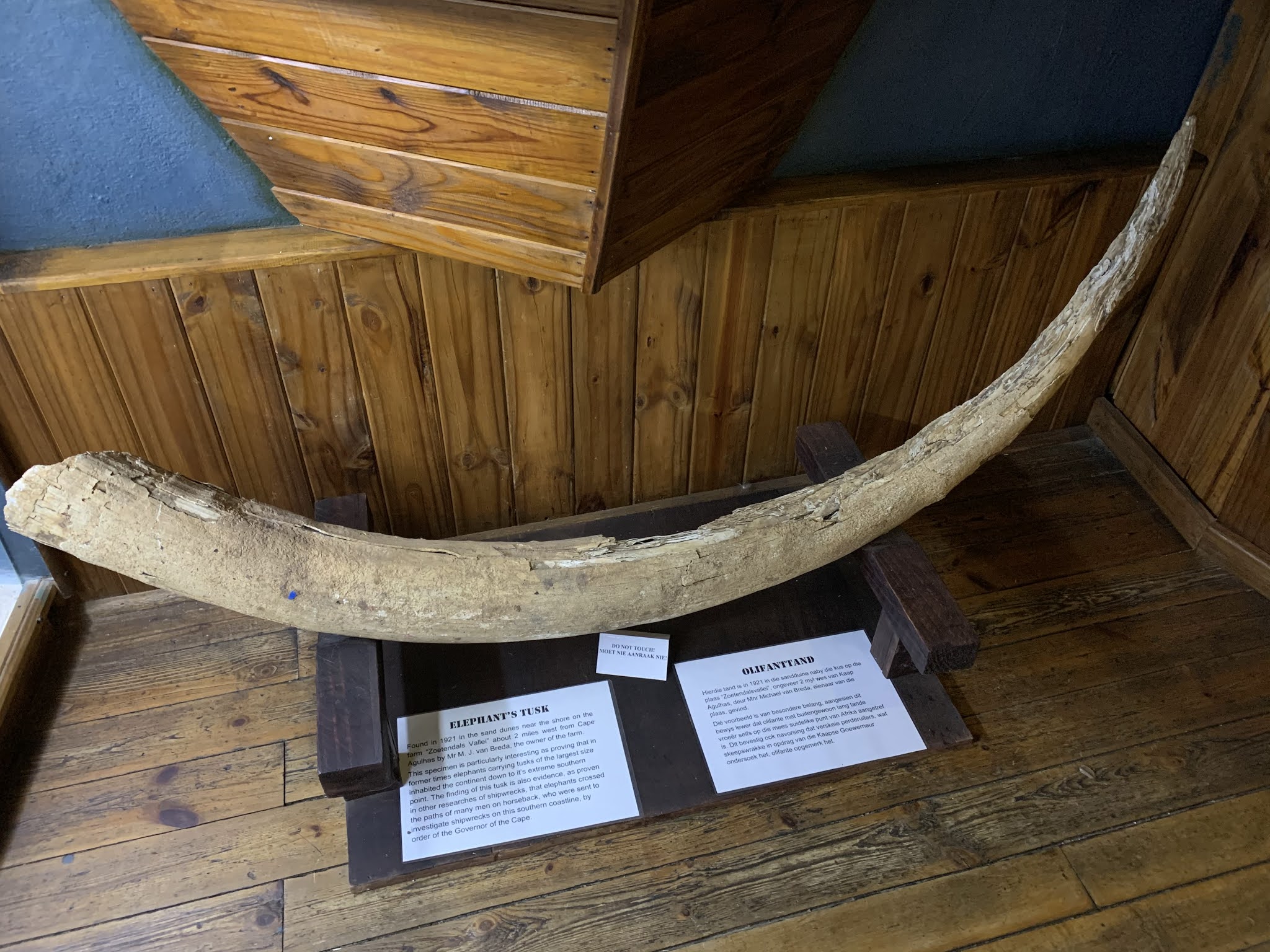
South Africa: Bredasdorp Shipwreck Museum in Western Cape | Музей кораблекрушений Бредасдорп Южная Африка

Video of one of the most comprehensive and interesting museums in Western Cape - Shipwreck Museum in small historical town Bredasdorp, South Africa.

#BredasdorpShipwreckMuseum #WesternCapeSights #SouthAfricaTourism
Shipwreck Museum is located at 6 Independent Street, Bredasdorp, Western Cape. The Bredasdorp Museum is primarily a maritime Museum whose exposition's main theme is "Shipwrecks along the dangerous Southern Cape coast".
South African coastline is known as the "Graveyard of Ships" with well known ships like the 'Arniston', 'Birkenhead' and 'Queen of the Thames' coming to grief in these waters.
One of these lost ships is remembered in such a particular way as the American sailing ship Gentoo. She went down in Struys Bay. Among the survivors were a number of young servant-girls who had been engaged by wealthy people in the Cape Town suburbs.
The girls soon drifted out of respectable employment into New Street and Keerom Street, which had bad reputations. They set up places which became known as "Gentoo houses ", with Malay orchestras to provide dance music. To this day a loose girl is called a "Gentoo" by the Cape Malays. Cape Agulhas, one of the great turning points of the oceans, ranks next to Table Bay as a graveyard of the sea.
Disaster on Saint Patrick's Day. In 1870 there was no regular line of shipping sailing between London and Australia via the Cape. Devitt & Moore, of England, planned a new service. The firm built their first ship, The Queen of the Thames, at a cost of £55,000.
The new ship left England in November, 1870, and made a fast run to Melbourne, where she received a big welcome, for the Australians had never before seen anything to compare with the luxury of her fittings or comforts of her cabin accommodation. More than 200 passengers booked for the return trip. Besides her crew of 120, she carried a cargo of wool.
On St. Patrick's Day, March 17, 1871, she was scheduled to anchor in Table Bay the next morning. The passengers got up a hilarious party to celebrate the voyage and the captain was present. Some of the passengers had not yet gone to bed before disaster overtook them for the ship ran hard ashore on a reef near Struys Point. Bredasdorp people showed the ship-wrecked Australians how hospitable South Africans can be.
The Queen of the Thames lay on the rocks with her masts still standing and her sails moving in the breeze. Six citizens of Port Elizabeth formed themselves into a syndicate and bought the ship for £15.000 and at once began to sell off the valuable contents.
The loss of The Queen of the Thames was a tragedy for the Cape because Devitt and Moore, discouraged, gave up the idea of building a fleet for the Australian run. It was not until the Orient Line began to call at Cape Town in 1878 that a regular service from England to Australia via Table Bay was established.
Queen Of The Thames 1871 Incidentally, although the wreck lies in 30 feet of water, a wooden section of the port side lies on the shore opposite the memorial. Although it is normally covered by sand it does sometimes become exposed after a strong southeast storm. Wreck of the MFV Meisho Maru No. 38
Suiderstrand, South Africa Today marks 38 years since this fascinating ship(one of the most recent ships to have ran aground) stranded along the L'Algulhas coastline.
The MFV Meisho Maru No. 38 was a small Japanese fishing vessel that ran aground in the stormy waters around L'Agulhas in the early morning hours of 16 November 1982. The accident occurred close to shore and the crew of 17 all managed to swim to safety, leaving the ship as the only casualty. After surviving seas than, at times, can produce swells of up to 30 metres, the ship finally broke apart a few years ago.
Shipwreck Museum Bredasdorp
The haunted loop is going to be held for 10 consecutive Friday nights, with an option to expand it... depending on COVID-19 regulations too. If it is successful and there is enough interest it will definitely be expanded.

Special "Dennis" Low Load Line 50HP (Presumably 1932 Model). Ordered 13 February 1933 and delivered for use to the City of Cape Town in July 1933.
Bought on tender for use by the Local Town Council in July 1974 at R1100. Donated to the Museum when withdrawn from service.


Wafra, 28.02.1971


MUSEUM GUNS 
All guns were donated
No. 1: British Gunade
Discovered in and recovered from the DENEL coastal area lying buried on the beach below the high water mark.
This Gunade and a large anchor were found. Today both are displayed at the museum. The old Gunade is presumed to be from the wreck of the Martha that was lost at Skipskop in 1826.

No. 2: British 4-pdr Gunade by WB & Co in England. It was salvaged in Struis Bay and taken to Robertson in 1880 by W.J. van As & G.H. Wolhuter and recorded by G de Vries in Oct 2000.
The Gunade is dated as to be around 1800 and presumed to be either from the wreck of the Duke of Northumberland (1838) or the Martha (1826). A Gunade is very similar to a carronade except that it has trunnions as opposed to the ring that a carronade has underneath. It is also normally of a 4- to 9-pdr calibre and does not have a chamber smaller than the bore.
"Wat jy vir jouself doen, sterf met jou. Wat jy vir die samelewing doen, leef vir ewig." - C. R. Wolhuter

No. 3: Swedish iron cast (Dutch) cannon 2650mm long and with a bore of approximately 110mm.
The museum gratefully accepted this artifact in the 80's as a donation from some local Struis Bay divers (their names sadly unrecorded) and is today presumed to be from the wreck of the Dutch East Indiaman, Schonenberg that was lost in 1722.

No. 4: Bronze Dutch cannon with dolphins missing and a bore diameter of a 12 pdr.
Reijgersdaal (1702). The wreck was discovered in the 80's by Tubby Gericke, Peter Leube & Brian Clark who donated this cannon to Bredasdorp Museum.

No. 5: A very early and rare bronze Dutch mortar.
Willem de Zwyger (1863). Many maritime donations to the Bredasdorp Shipwreck Museum were made by Tubby Gericke, Peter Leube and Brian Clark. This was one of their kind donations.

Anchors


Queen Of The Thames 1871 Incidentally, although the wreck lies in 30 feet of water, a wooden section of the port side lies on the shore opposite the memorial. Although it is normally covered by sand it does sometimes become exposed after a strong southeast storm.
Shipwreck Museum Hall Collection:
Baptismal font/Doopbak & Compass from the Queen of the Thames, donated by Mr Henry Villet


Museum hours are subject to change without prior notification Monday - Friday: 09:00 - 15:00 Saturday: 10:00 - 15:00 Sunday: 11:00 - 15:00
Public holidays: Closed
Purchase photo/4K video: portfolio1 portfolio2
Aerial photo/video service/inquiries: info@traveltonamibia.com