Showing posts with label Richards Bay. Show all posts

Saturday, 14 December 2024

South Africa: Prince Albert, Enchantress, Charmer & Lyndhurst shipwrecks

SAHRA Maritime and Underwater Cultural Heritage

Benguela Eagle shipwreck in Namibia

August 24:

“This day in our shipwreck and aeronautical wreck history”

1844: Prince Albert, this wooden-hulled brig wrecked after its cables parted during a south-easterly gale in Plettenberg Bay in the Western Cape.

1849: Enchantress, this wooden-hulled schooner missed its stays off Green Point and anchored shortly after, but its cables parted, and it was driven onto the rocks where it wrecked between Green Point and Mouille Point in the Western Cape.

1877: Charmer, this British full-rigged wooden ship wrecked on Dyer Island in the Western Cape.

1911: Lyndhurst, this steel-hulled four masted barque’s cargo of petrol caught alight and it was abandoned at sea about 100 km from Mossel Bay in the Western Cape. Its floating wreck was scuttled on this day by the HMS Pandora as it posed a danger to navigation.

1974: An Emric Air Britten-Norman BN-2 Islander (registration no. ZS-IZZ) crashed on this day near Richards Bay in KwaZulu-Natal. Very little is known about this incident.

1998: An Airworld/Speed Service Couriers Turbo DC-3 (registration no. ZS-NKK) crashed during takeoff from Wonderboom airport in Gauteng resulting in the death of the pilot in command. The accident report found that there was no pre-flight inspection by the pilots and the elevator trim had been set to nose-up and not been returned to neutral by the maintenance engineer during an inspection. As a result, the pilot lost control of the aircraft during takeoff as the nose pitched up during a rotation movement.

Purchase photo/4K video: portfolio1 portfolio2
Aerial photo/video service/inquiries: info@traveltonamibia.com
Telegram: ExploringNamibia

Tuesday, 24 September 2024

South Africa: Reform, ST, Nivonia & Mundra shipwrecks

SAHRA Maritime and Underwater Cultural Heritage

July 6:

“This day in our shipwreck and aeronautical wreck history”

1833: Reform, this wooden cutter was driven ashore and wrecked on Dassen Island in the Western Cape.

1889: ST, this iron British schooner (possibly a 3-masted barquentine) wrecked in Port Nolloth in the Northern Cape after having struck a rock in the channel leading to the jetty. Although some sources suggest that the wreck lies further south than Port Nolloth.

The Nivonia (1935) being claimed by the sea after wrecking

1935: Nivonia, this British/South African whaler wrecked after stranding on Pumela Rocks, at the mouth of the Ntshambili River in KwaZulu-Natal, at night in rainy and misty conditions.

What remains of the Nivonia (1935) today above the water - the winch apparatus for its harpoon gun (on the right) as well as the bow section (on the left)

Other sources list the wrecking as July 2nd 1936. Today some of its remains are visible on the rocks, slowly being reclaimed by the sea with its boiler just beyond, in deeper water. The Port Shepstone Maritime Museum has an exhibition on the Nivonia.

The SS Mundra (1942) sunder its own steam, date and location unknown

1942: Mundra, this British steam-powered ship was torpedoed and sunk by the Japanese submarine I-18 about 40 km east of Richards Bay in KwaZulu-Natal. It had on board survivors from the ship de Weert, which was sunk by the I-18 nine days earlier near modern-day Maputo, survivors from the Goviken, which was sunk by I-20 seven days earlier as well as survivors from the Eknaren which was sunk by I-16 five days earlier. In total, 94 lives were lost to this attack with 155 lives surviving it.


Remains of the Nivonia (1935)

1993: A Transkei Defence Force Casa 212 Aviocar 200 (registration no. TDF-01) crashed about 10 km from Umtata Airport in the Eastern Cape during a take-off for a training flight, resulting in the death of both pilots.

Purchase photo/4K video: portfolio1 portfolio2
Aerial photo/video service/inquiries: info@traveltonamibia.com
Telegram: ExploringNamibia

Monday, 8 April 2024

South Africa: Perseverance & Newark Castle shipwrecks

SAHRA Maritime and Underwater Cultural Heritage

March 12:

“This day in our shipwreck and aeronautical wreck history”

1826: Perseverance, this British wooden sailing vessel wrecked on Whale Rock off Robben Island in Table Bay in the Western Cape.

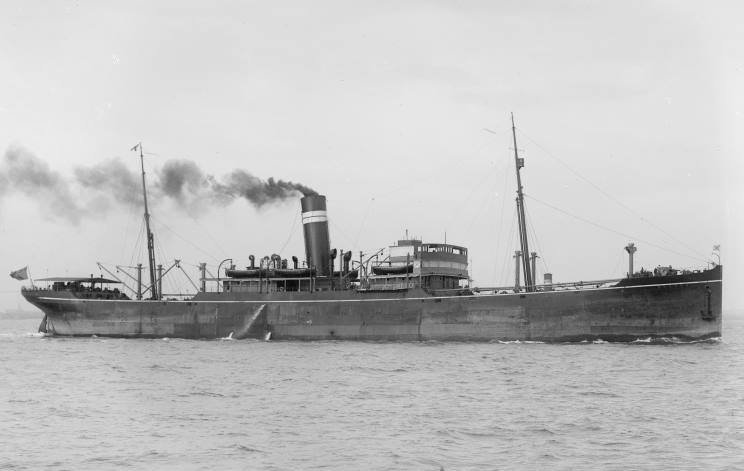
1908: Newark Castle, this steel steam-powered mail ship struck an unknown obstruction and sprang a leak, just north of Port Dunford, in KwaZulu-Natal. 

The Newark Castle (1908), date and location unknown

The seas were calm, but the master was afraid that the ship may capsize and made the call to launch the boats and abandon ship to ensure the safety of the 69 crew and 48 passengers. The next morning, the trawler Elelyn rescued all but one of the boats. The last boat attempted to reach the shore, but was swamped, resulting in a passenger and two members of the crew drowning. With the increasing roughness of the sea, the unmanned Newark Castle floated off and drifted 11 km north, finally striking a sandbank near the modern-day Richards Bay breakwater and becoming a total loss.

The Newark Castle (1908) aground

A court of inquiry was held, but they found that it could not be proved that the loss of the Newark Castle was due to any misconduct or negligence of the master or chief officer. The remains were discovered in the 1970’s during construction work in the Richards Bay harbour, but it was left in situ.

Purchase photo/4K video: portfolio1 portfolio2
Aerial photo/video service/inquiries: info@traveltonamibia.com
Telegram: ExploringNamibia

Saturday, 18 November 2023

South Africa: Video of very heavy storm in Empangeni and Richards Bay

Video of very heavy storm in Empangeni and Richards Bay, KwaZulu-Natal Province of South Africa.

#Storm #KwaZuluNatal #SouthAfrica

A man has been killed during a severe storm that struck the Empangeni, in northern KwaZulu-Natal.

Thunderstorms, heavy rains and winds hit a number of areas, including eNseleni and eMhlanga. uMhlathuze Municipality's mayor Xolani Ngwezi says the man was killed while at work at the Five Ways Mall in Empangeni.

Two others were also injured. Ngwezi says there was also damage to property and 20 families had to find shelter elsewhere. "Electrical infrastructure for instance in ward 4 in Mandlazini next to Richards Bay, was also severely damaged and people have had no electricity from yesterday. Our airport was flooded, but to all these issues, our disaster management teams were immediately contacted and attended to many areas." Ngwezi says they plan to assess the damage. © Dronesberg ЮТ канал Dronesberg публикует два видео в неделю: по понедельникам и пятницам. Темы варьируются от путешествий по Африке до путешествий по Европе и России. На нашем канале нет бесконечных причитаний «ударь по/жми на этот колокольчик» и «не забывай подписаться, зараза». YouTube channel Dronesberg publishes two video a week: on Mondays and Fridays. Themes range from travelling in Africa to exploring Europe and Russia. No annoying endless begging "hit/smash that bell" and "don't forget to sub" here. ✩B L O G | БЛОГ ►http://sa-nam-news.blogspot.com ✩INSTAGRAM | ИНСТА ►https://www.instagram.com/exploringnamibia ✩PURCHASE VIDEO P5 | ПОРТФОЛИО P5 ►https://bit.ly/2Vvbb6L ✩TELEGRAM | ТЕЛЕГРАМ ►https://t.me/ExploringNamibia ✩W H A T S U P T E X T | ВОТСАП ТЕКСТ: +264 816 654893
Purchase photo/4K video: portfolio1 portfolio2
Aerial photo/video service/inquiries: info@traveltonamibia.com
Telegram: ExploringNamibia

Wednesday, 27 September 2023

South Africa: Thanda Safari Lodge joins Inspirational Places

NEW MEMBER TO INSPIRATIONAL PLACES

THANDA SAFARI & THANDA ISLAND

THANDA SAFARI

Situated in the heart of Zululand, KwaZulu-Natal, Thanda Safari is a private game reserve offering an authentic South African wildlife experience with close-up encounters of the Big Five and excellent all year round game viewing.

Thanda Safari has three types of accommodation offerings, each with its own style, atmosphere and appeal. Thanda Safari Lodge consists of luxury bush suites in the style of traditional Zulu homesteads, Villa iZulu is an exclusive-use villa for complete privacy and indulgence and the Tented Camp provides a relaxed and authentic experience in a more rustic setting.

ACCESS

° Flights into Richards Bay or Durban King Shaka International with road or heli transfer

° Federal Airlines flights into Phinda from Nelspruit (40-minute transfer)

° By road the reserve is accessible from the N2, 23 km north of Hluhluwe and 220 km north of Durban

THANDA ISLAND

Located on an uninhabited, 8-hectare tropical island in a marine protected reserve off the coast of Tanzania, East Africa, Thanda Island offers a unique luxury getaway filled with adventure, relaxation and total privacy. The island has spectacular snorkelling, diving, big game fishing and many other aquatic activities.

The Thanda Island villa has five suites that open directly onto the beach, accommodating ten adults with additional beds available for children. On the island are also two traditional, open-air Tanzanian bandas. All guests get their own Chef, Hostess and Housekeeper, Activities Guide and Boatman and additionally have access to Thanda Island’s adventure yacht, reef runner and deep-sea fishing cat commandeered by the highly experienced captain and crew.

ACCESS

A direct 45-minute helicopter transfer OR a 30-minute fixed wing transfer to & short boat ride to the island from Julius Nyere International Airport in Dar Es Salaam.

THANDA ISLAND - A MAGICAL LUXURY PRIVATE ISLAND EXPERIENCE

Upon arrival, Thanda Island instantly becomes your Indian Ocean home. This storied place is located on an uninhabited, 8-hectare tropical island in the turquoise waters of a marine protected reserve off the coast of Tanzania, East Africa.

A member of The Leading Hotels of the World that opened in 2016 as a luxury private island, Thanda Island has repeatedly been voted by the World Travel Awards as the World’s Leading Exclusive Private Island.

Offering an exclusive, single-key Villa for you, your family and friends to enjoy completely for yourselves, it has five romantic, air-conditioned suites that open directly onto the beach, accommodating ten adults with additional beds available for children. On the island are also two traditional, open-air Tanzanian bandas (beach chalets) for your exclusive use.

This unique luxury getaway has been created for adventure, relaxation and total privacy. It offers spectacular snorkelling, diving, big game fishing and many other aquatic activities in this place of absolute natural beauty in the protected Shungimbili Island Marine Reserve.

At your disposal is Thanda Island’s 36-foot adventure yacht Sazi, 28-foot reef runner, deep-sea fishing cat, Real Magic, and 34-foot Cobalt motor cruiser, Island Princess, commandeered by the highly experienced captain and crew.

They are part of the select team on Thanda Island, looking after your every need, including your own Chef, Hostess and Housekeeper, Activities Guide and Boatman.

Thanda Island is deeply committed to conservation and partners with the Tanzanian Marine Parks and Reserves Unit in a range of marine conservation programs including coral restoration and conserving the five species of marine turtles that occur in Tanzania’s waters, as well as the largest fish in the world – the gentle, human-friendly whale shark.

Thanda Island participates in community programs on nearby Mafia Island, including education, sustainable fish harvesting and sport. Thanda’s Star for Life programme empowers young people on Mafia Island to reach for their dreams and lead healthy positive lives.

Purchase photo/4K video: portfolio1 portfolio2
Aerial photo/video service/inquiries: info@traveltonamibia.com
Telegram: ExploringNamibia

Sunday, 9 April 2023

South Africa: Historical Severe Tropical Storm Domoina in 1984

2 FEBRUARY 1984 - 38 YEARS AGO 

SEVERE TROPICAL STORM DOMOINA

Severe Tropical Storm Domoina in 1984 caused 100-year floods in South Africa and record rainfall in Swaziland. 

While Domoina was moving through South Africa, it drew an area of moisture from the northeast, which produced heavy rainfall that peaked at 950 mm between Richards Bay and Sodwana Bay.

Totals of over 700 mm were reported along the upper Umfolozi, Mkuze, Pongola and middle Usutu and Komati rivers, and along the upper and lower Ingwavuma river. Precipitation spread as far south as Durban, but did not penetrate far into the center of the country. An area of about 107,000 km2 received 370 mm of rainfall.

Along the Umfolozi River, a discharge rate of 16,000 m³/s was recorded, which was three times the rate of a 100-year flood. The river avulsed, or changed its course, near where it met with the Msunduzi River. High rains in the mountains caused the largest flood to date along the Pongola River. The floodplain downstream of the Pongolapoort Dam was inundated to where the Pongola met the Ututu River, which filled many pans – dry lakes - in the region. Along 29 river locations in eastern South Africa, river heights were estimated to have been 1 in 50 year events. The river flooding moved sediment along many banks, and in one location the sediment reached 10 km in length. Due to the widespread flooding and the remoteness of the worst affected areas, there were minimal measurements on the river flow along the Pongola, although above the Pongolapoort Dam, levels reached 13,000 m³/s, which were 18 times higher than the previous record highest.

There had been a planned release of water from the Pongolapoort Dam in March 1984 to provide adequate water to the floodplain, but Domoina prevented this from occurring. The dam had its highest hydrology on January 31 and reached 87% of its capacity. Waters from the dam were released on February 2 to prevent the dam from exceeding capacity. With the future threat of Cyclone Imboa, dam levels continued to drop until returning to normal by February 16, despite requests to hold the water to prevent further crop damage.

Near the South Africa border with Swaziland, flooding stranded about 80,000 people on tribal lands. One road in the country was converted into a makeshift landing strip to allow helicopters and planes to drop off emergency supplies. A period of heavy rain flooded the Umfolozi River, which destroyed a rail bridge near Mtubatuba and a bridge crossing highway N2. The floods were so strong that they washed a boat from Lake St. Lucia to a point 16 km away.

At the lake, the floods washed away a dredge and severely damaged a nearly-finished canal from the lake to the Umfolozi River. Widespread crop damage occurred along the Umfolozi river plains after being covered by up to 1 m of sediment. The South African Weather Bureau considered Domoina as the "first tropical cyclone in recent history to have caused flooding and extensive damage." Nationwide, the storm caused 60 deaths and damaged the properties of 500,000 people, causing R100 million (1984 ZAR, $70 million 1984 USD).

While Domoina was moving through South Africa, it drew an area of moisture from the northeast, which produced heavy rainfall that peaked at 950 mm (37 in) between Richards Bay and Sodwana Bay. Totals of over 700 mm were reported along the upper Umfolozi, Mkuze, Pongola and middle Usutu and Komati rivers, and along the upper and lower Ingwavuma river. Precipitation spread as far south as Durban, but did not penetrate far into the center of the country. An area of about 107,000 km2 received 370 mm of rainfall.

Along the Umfolozi River, a discharge rate of 16,000 m³/s was recorded, which was three times the rate of a 100-year flood. The river avulsed, or changed its course, near where it met with the Msunduzi River.

High rains in the mountains caused the largest flood to date along the Pongola River. The floodplain downstream of the Pongolapoort Dam was inundated to where the Pongola met the Ututu River, which filled many pans – dry lakes – in the region. Along 29 river locations in eastern South Africa, river heights were estimated to have been 1 in 50 year events. The river flooding moved sediment along many banks, and in one location the sediment reached 10 km in length. Due to the widespread flooding and the remoteness of the worst affected areas, there were minimal measurements on the river flow along the Pongola, although above the Pongolapoort dam, levels reached 13,000 m³/s, which were 18 times higher than the previous record highest.

There had been a planned release of water from the Pongolapoort Dam in March 1984 to provide adequate water to the floodplain, but Domoina prevented this from occurring. The dam had its highest hydrology on January 31 and reached 87% of its capacity. Waters from the dam were released on February 2 to prevent the dam from exceeding capacity. With the future threat of Cyclone Imboa, dam levels continued to drop until returning to normal by February 16, despite requests to hold the water to prevent further crop damage.

Near the South Africa border with Swaziland, flooding stranded about 80,000 people on tribal lands. One road in the country was converted into a makeshift landing strip to allow helicopters and planes to drop off emergency supplies. A period of heavy rain flooded the Umfolozi River, which destroyed a rail bridge near Mtubatuba and a bridge crossing highway N2. The floods were so strong that they washed a boat from Lake St. Lucia to a point 16 km away. At the lake, the floods washed away a dredge and severely damaged a nearly-finished canal from the lake to the Umfolozi River. Widespread crop damage occurred along the Umfolozi river plains after being covered by up to 1 m of sediment.

Purchase photo/4K video: portfolio1 portfolio2
Aerial photo/video service/inquiries: info@traveltonamibia.com
Telegram: ExploringNamibia

Sunday, 20 March 2022

March 12: This day in South African shipwreck History

SAHRA Maritime and Underwater Cultural Heritage

See also: Namibian shipwrecks

Today, March 12:

“This day in South African shipwreck History”

1826: Perseverance, this wooden sailing vessel wrecked on Whale Rock off Robben Island in Table Bay in the Western Cape.

1908: Newark Castle, this steel steam-powered mail ship struck an unknown obstruction and sprang a leak, just north of Port Dunford, in KwaZulu-Natal. The seas were calm, but the master was afraid that the ship may capsize and made the call to launch the boats and abandon ship to ensure the safety of the 69 crew and 48 passengers.

The next morning, the trawler Elelyn rescued all but one of the boats. The last boat attempted to reach the shore, but was swamped, resulting in a passenger and two members of the crew drowning. With the increasing roughness of the sea, the unmanned Newark Castle floated off and drifted 11 km north, finally striking a sandbank near the modern-day Richards Bay breakwater and becoming a total loss.

A court of inquiry was held, but they found that the loss of the Newark Castle could not be proved to be due to any misconduct or negligence of the master or chief officer. The remains were discovered in the 1970’s during construction work in the Richards Bay harbour, but it was left in situ.

Purchase photo/4K video: portfolio1 portfolio2
Aerial photo/video service/inquiries: info@traveltonamibia.com